FOLIO I · THINKER · GEN. 02 · N° 041

Ernst Seidler von Feuchtenegg

Works
5
Articles
1
Generation
2.
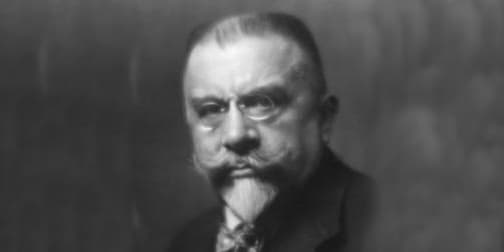
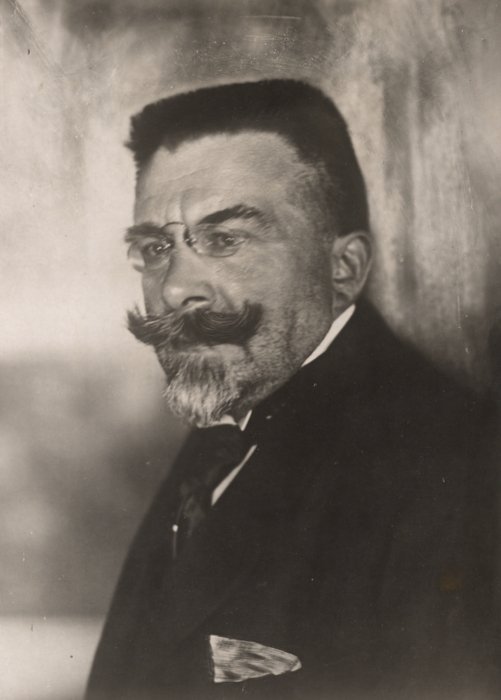
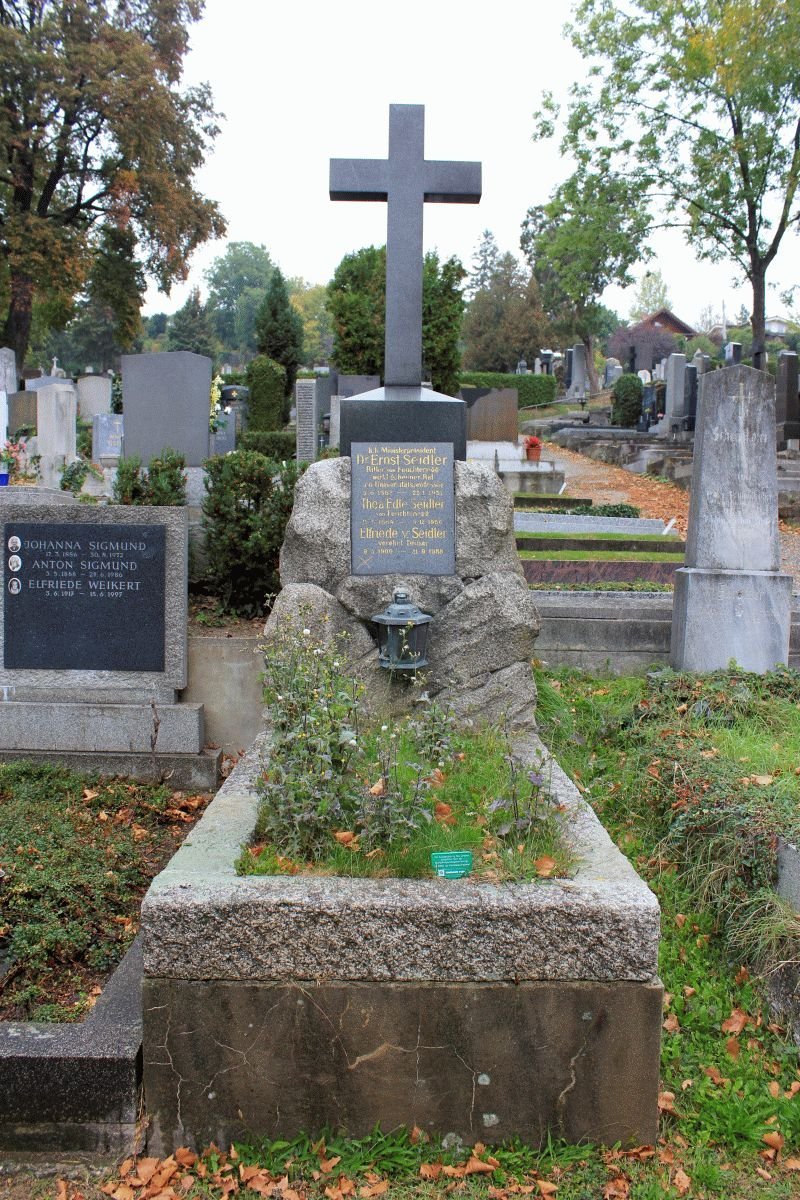
Portrait of Ernst Seidler von FeuchteneggPortrait of Ernst Seidler von Feuchtenegg: Ernst Seidler von Feuchtenegg, Porträt um 1918 (1918)Portrait of Ernst Seidler von Feuchtenegg: Grab Ernst Seidlers am Dornbacher Friedhof, Wien (2012)
FOL. 02 · N° 041 · Ernst Seidler von Feuchtenegg
BIOGRAPHY

Life and Work

Ernst Seidler von Feuchtenegg received his doctorate in law under Carl Menger in 1887. Afterwards Seidler served as a civil servant in various posts, for instance in the Ministry of Agriculture. In 1901 he obtained his habilitation at the University of Vienna in administrative law and administrative science. After his habilitation in 1901, Seidler taught as a professor of public law, and his students included the heir to the throne, Karl. In 1917, a year after he was raised to the nobility, Seidler became first Minister of Agriculture and then Minister-President, the last head of the monarch's cabinet. After the First World War, Seidler took up positions in industry and banking and devoted himself to his scholarly work. For example, in an original contribution he applied the principle of marginal utility to the assessment of criminal penalties (Seidler 1890).
Metadata
5. Juni 1862
23. Januar 1931
in Wien
Generation 2
Life stations

Stations

  1. 1862
    1862
    Birth

    Born on 5 June 1862 in Schwechat (Lower Austria).[1]

  2. 1887
    1887
    Doctorate in Law (Dr. jur.) under Carl Menger

    Doctorate in law (Dr. jur.) under Carl Menger at the University of Vienna.[1]

  3. 1888
    1888
    Civil Service

    After his doctorate, Seidler worked as a civil servant in various posts, including at the Ministry of Agriculture.[1]

  4. 1890
    1890
    Contribution on Sentencing (Marginal Utility Principle)— approximate

    In an original contribution, Seidler applied the marginal utility principle to sentencing (Seidler 1890).

  5. ⁦1890–1894⁩
    ⁦1890–1894⁩
    Legal Prefect at the Theresianum

    Legal prefect at the Theresian Academy in Vienna.[1]

  6. 1900
    1900
    Entry into the Ministry of Agriculture

    Move to the Ministry of Agriculture.[1]

  7. 1901
    1901
    Habilitation in Administrative Law

    Habilitation at the University of Vienna in administrative law and administrative science.[1]

  8. 1901
    1901
    Professor of Public Law— approximate

    After his Habilitation, Seidler taught as a professor of public law, including the heir to the throne, Charles.

  9. ⁦1905–1908⁩
    ⁦1905–1908⁩
    Professor at the Export Academy and the Hochschule für Bodenkultur

    Taught as a professor at the Export Academy and the Hochschule für Bodenkultur (College of Agriculture) in Vienna.[1]

  10. ⁦1908–1909⁩
    ⁦1908–1909⁩
    Ministerial Councillor and Head of Section

    Return to the Ministry of Agriculture as ministerial councillor; later head of section.[1]

  11. 1914
    1914
    Titular Full Professor

    Awarded the title of full university professor.[1]

  12. 1916
    1916
    Elevation to the Nobility

    Elevation to the nobility (von Feuchtenegg), a year before his appointment as Minister of Agriculture.[1]

  13. 1917
    1917
    Minister of Agriculture, then Minister-President

    In 1917, initially Minister of Agriculture, then Minister-President, or rather the last head of cabinet under Monarch Charles.[1]

  14. ⁦1917–1918⁩
    ⁦1917–1918⁩
    Industry and Banking

    After the First World War, Seidler took up positions in industry and banking and devoted himself to his scholarly work.[1]

  15. 1918
    1918
    Director of the Imperial Cabinet Chancellery

    Director of the Cabinet Chancellery of Emperor Charles I, after his resignation as Minister-President.[1]

  16. 1920
    1920
    President of the Italo-Wiener Creditbank

    President of the Italo-Wiener Creditbank.[1]

  17. 1931
    1931
    Death

    Died on 23 January 1931 in Vienna.[1]

Relationships

Influences

Influenced by · 1
  1. ⁦1887–1887⁩
    ⁦1887–1887⁩

    Ernst Seidler von Feuchtenegg promovierte 1887 unter Carl Menger zum Dr. jur. an der Universität Wien.[1]

Ernst Seidler von Feuchtenegg in the context of the School as a whole: five generations, their teacher-student lineages, circles and collegial ties.

SOURCES ON STATIONS AND RELATIONSHIPS16 citations · 1 source
Topography

Places of Activity

CATALOGUE OF WORKS · CHRONOLOGICAL

The Books

1900s
1904
Die Eisenbahntarife in ihren Beziehungen zur Handelspolitik [mit A. Freud]
OriginalGerman
1908
Das Wasserrecht und die Landwirtschaft
OriginalGerman
1910s
1913
Österreichs Wasserwirtschaft in Vergangenheit und Zukunft
OriginalGerman
1914
Die Neuen Wasserrechtsgesetze
OriginalGerman
1930s
1930
Die sozialwissenschaftliche Erkenntnis: Ein Beitrag zur Methodik der Gesellschaftslehre
OriginalGerman
ARTICLES · 1 CATALOGUED

Essays, Reviews, Lectures

1890s
1890
Die Geldstrafe vom volkswirtschaftl. und sozialpolit. Gesichtspunkte
OriginalGerman
APA
Chicago
German historical style