FOLIO III · ORT

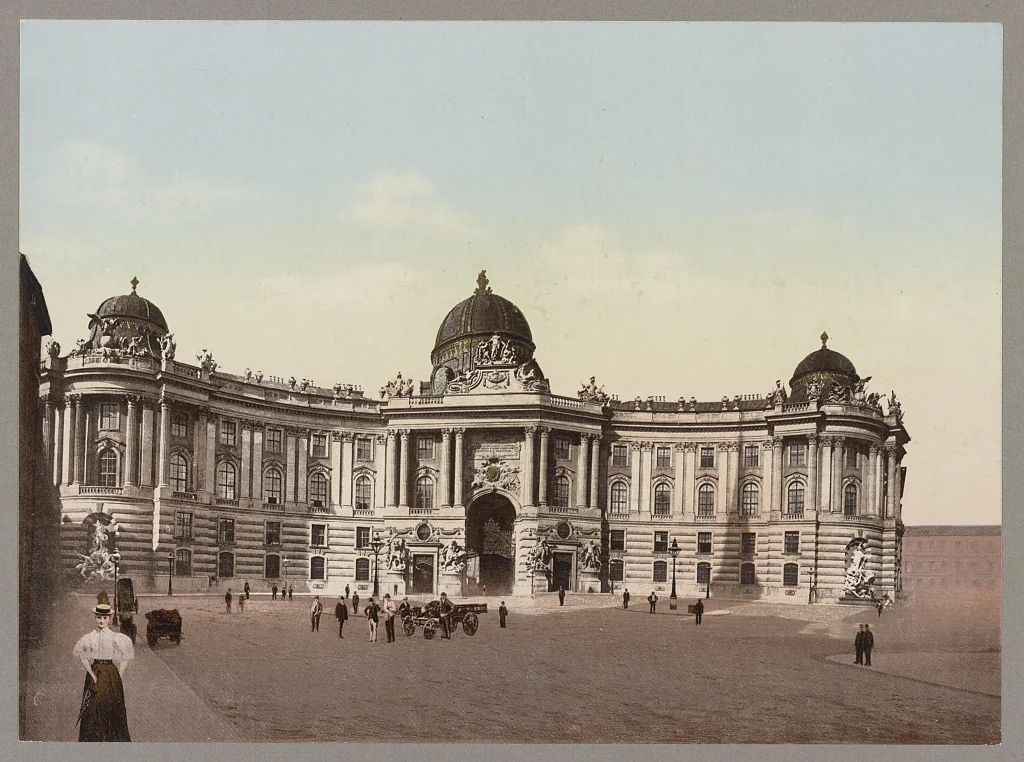
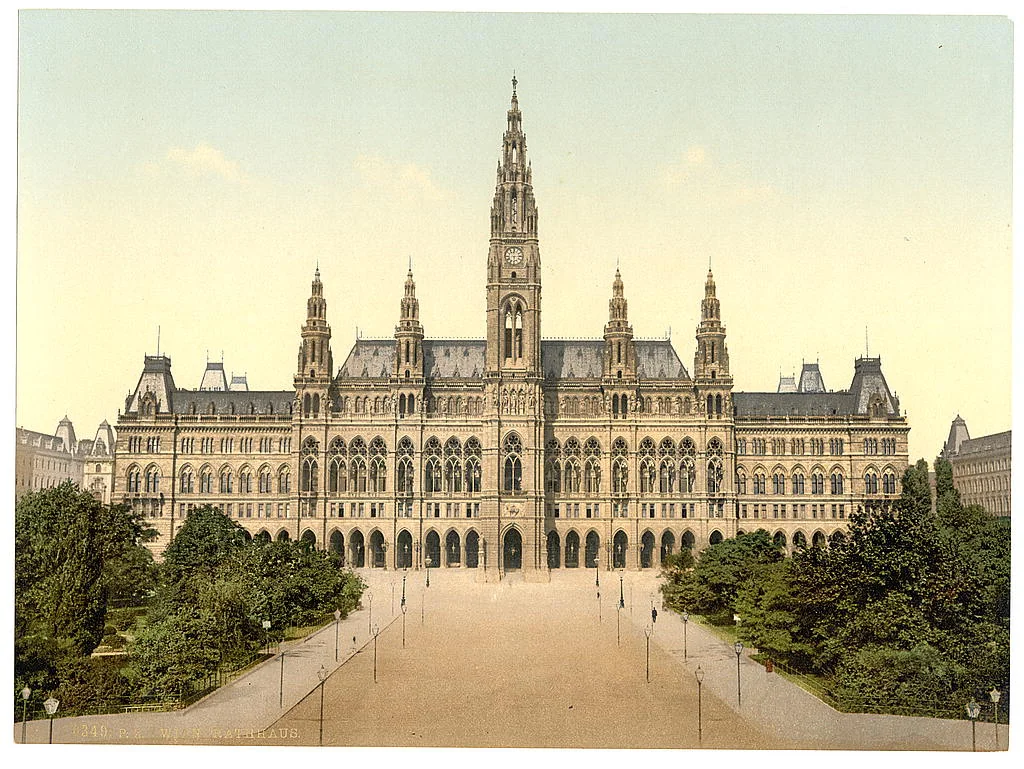
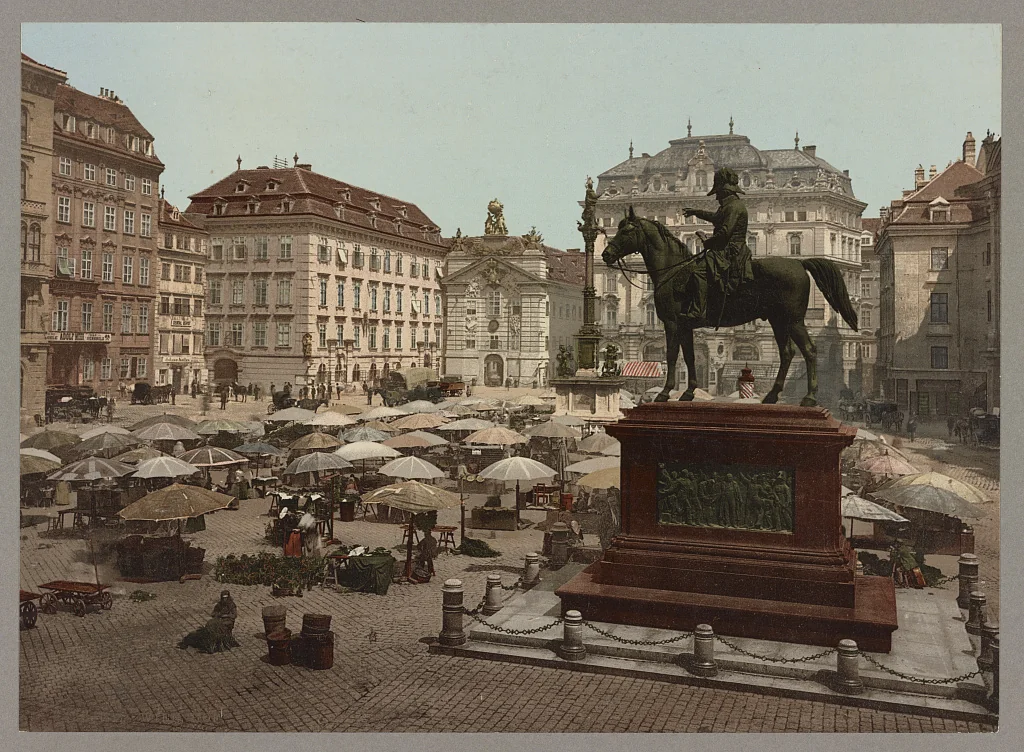
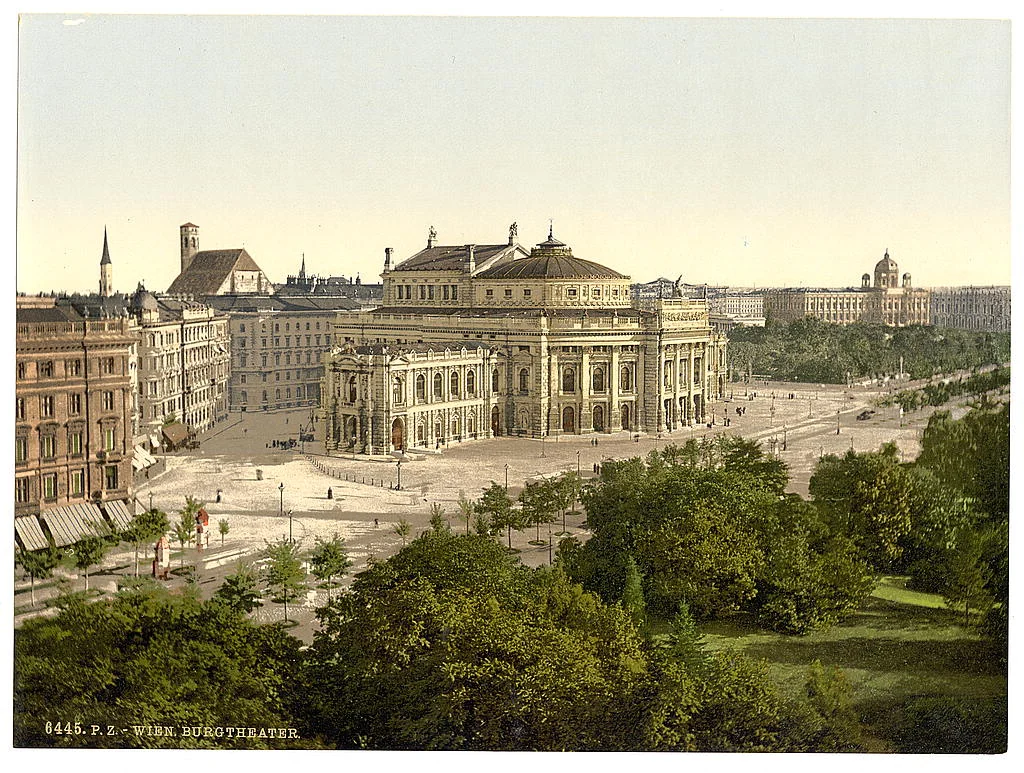
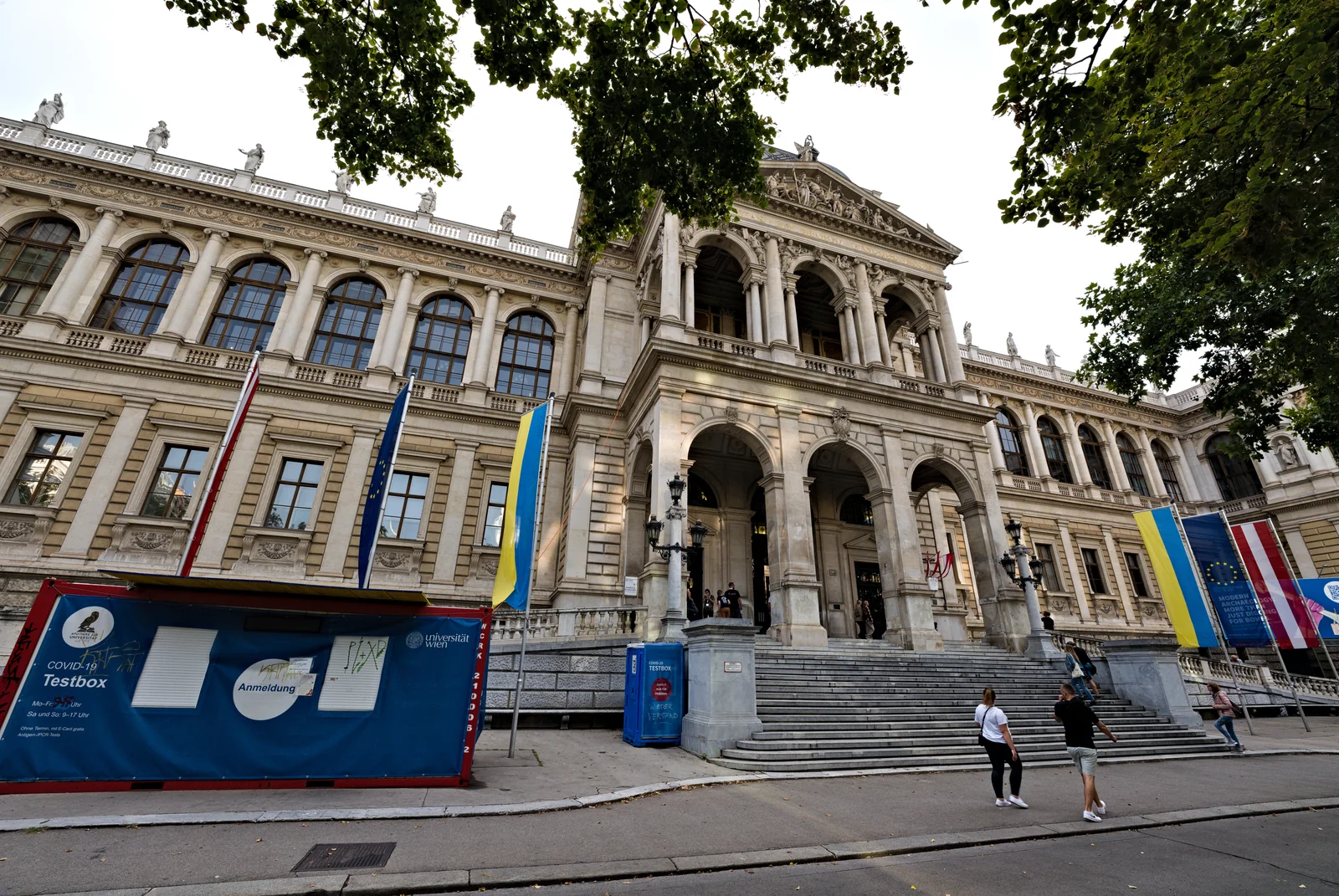
Vienna is the great metropolis on the Danube and the historical centre of the Austrian School of Economics, founded by Carl Menger in the 1870s. After almost all of its representatives emigrated in the late 1930s, it effectively ceased to exist here.
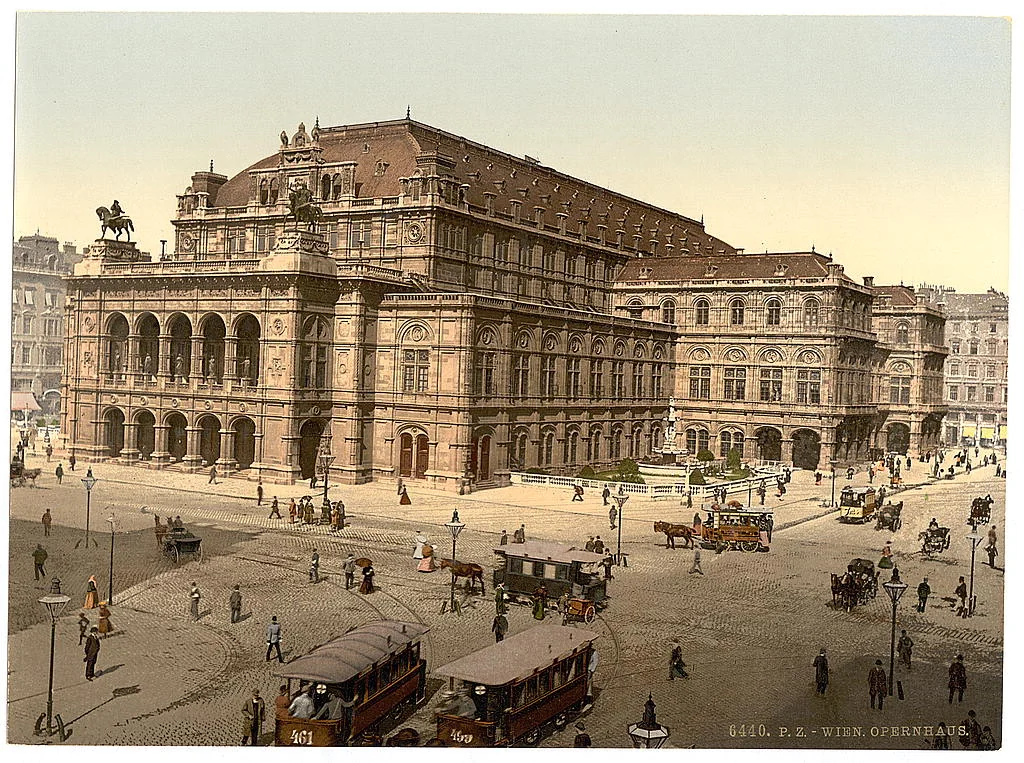
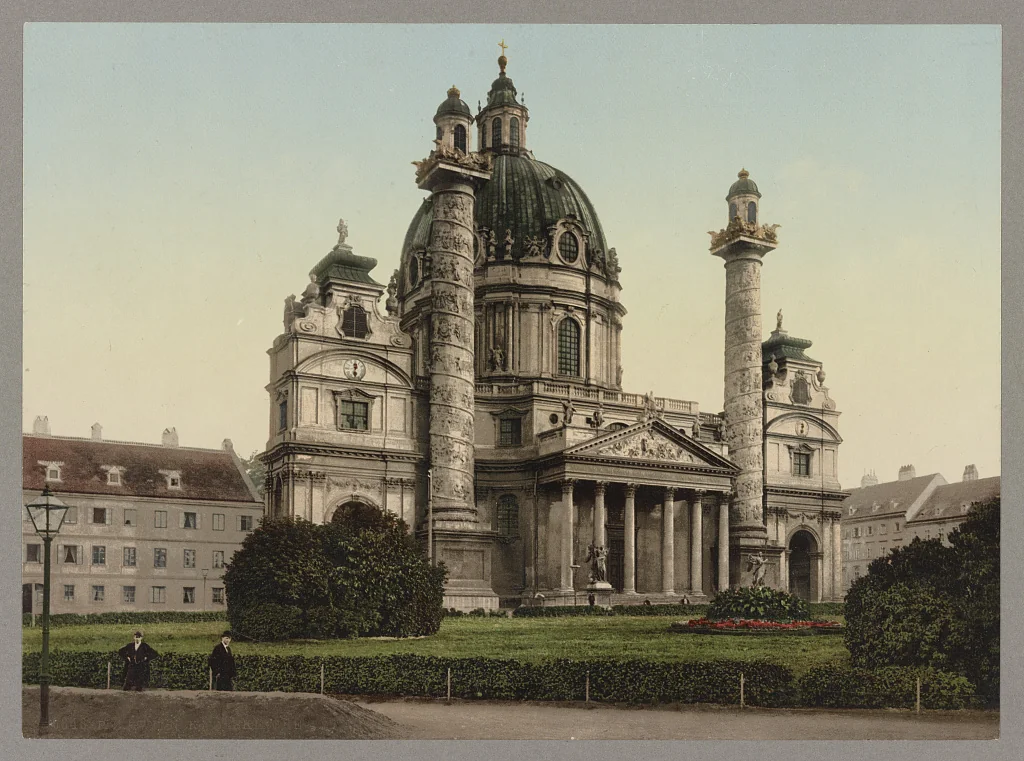
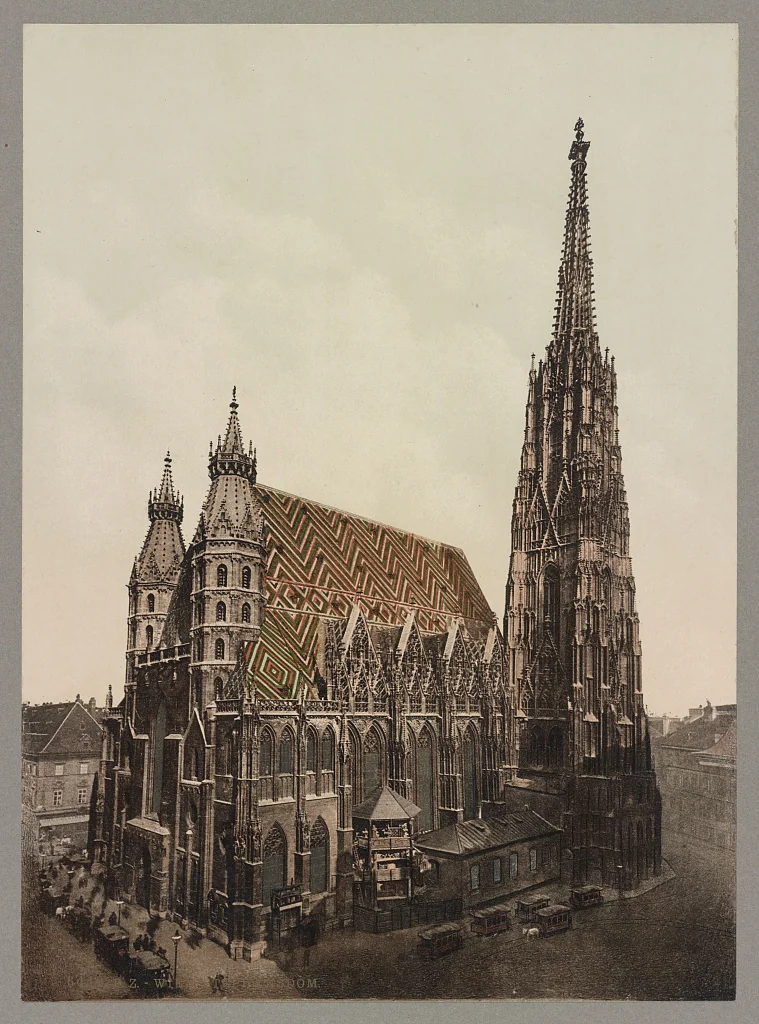
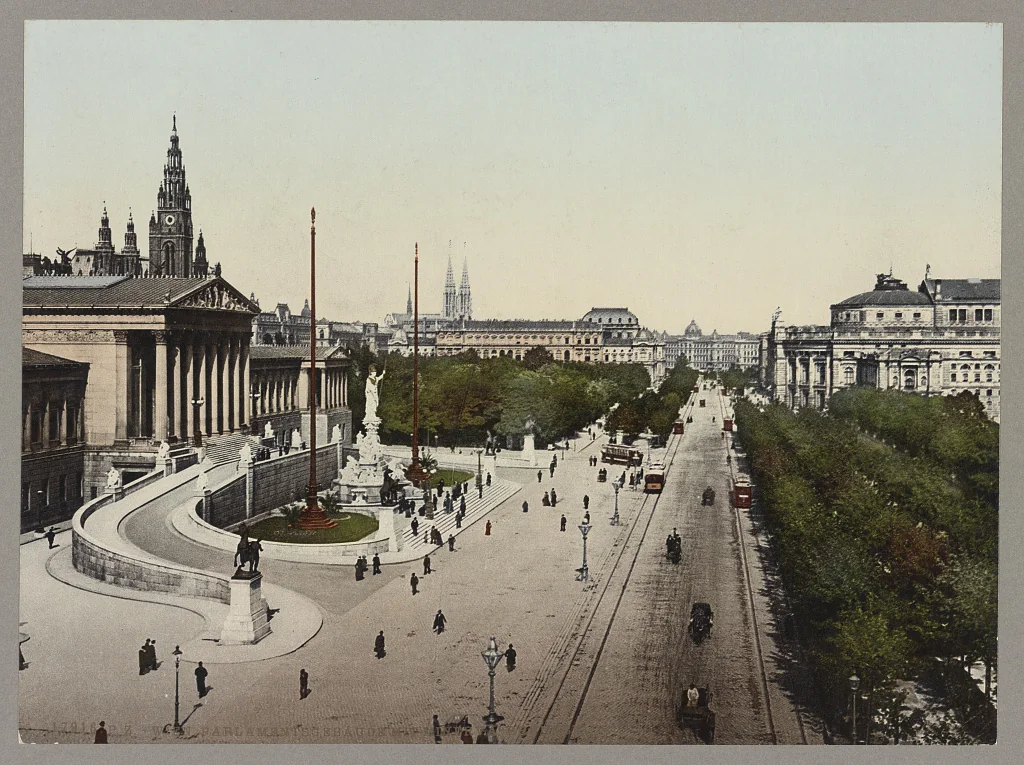
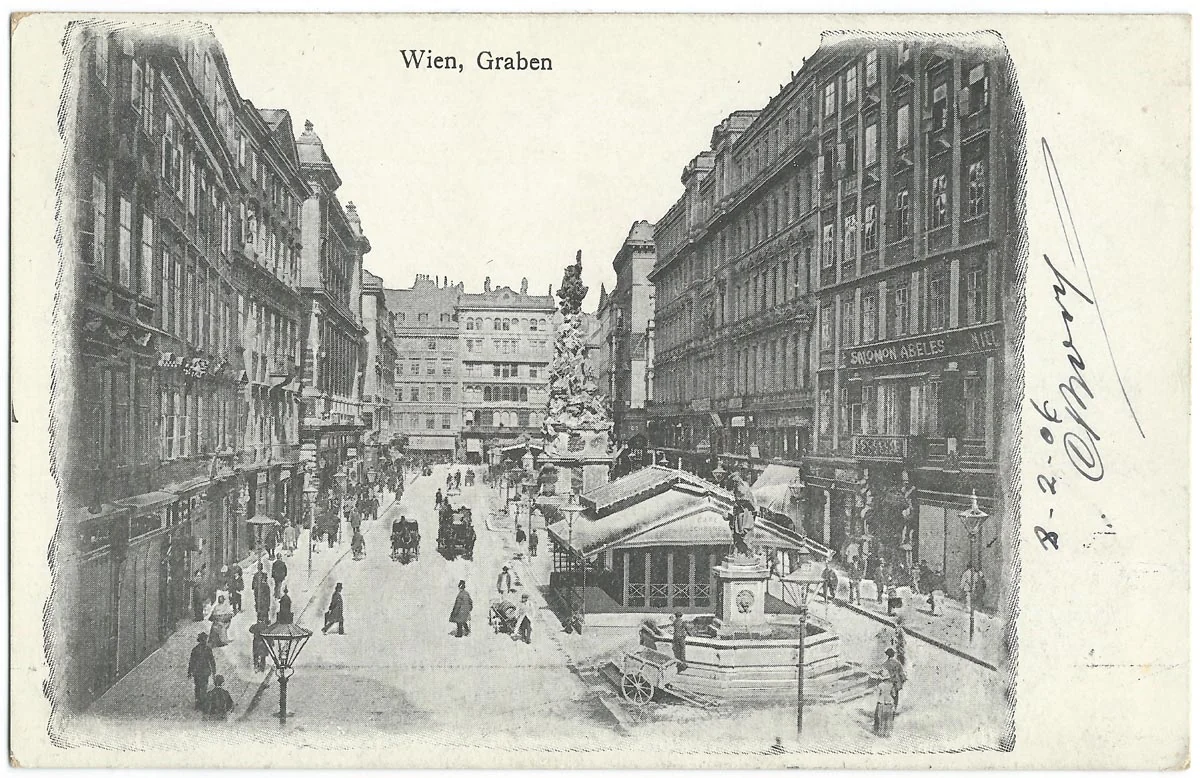
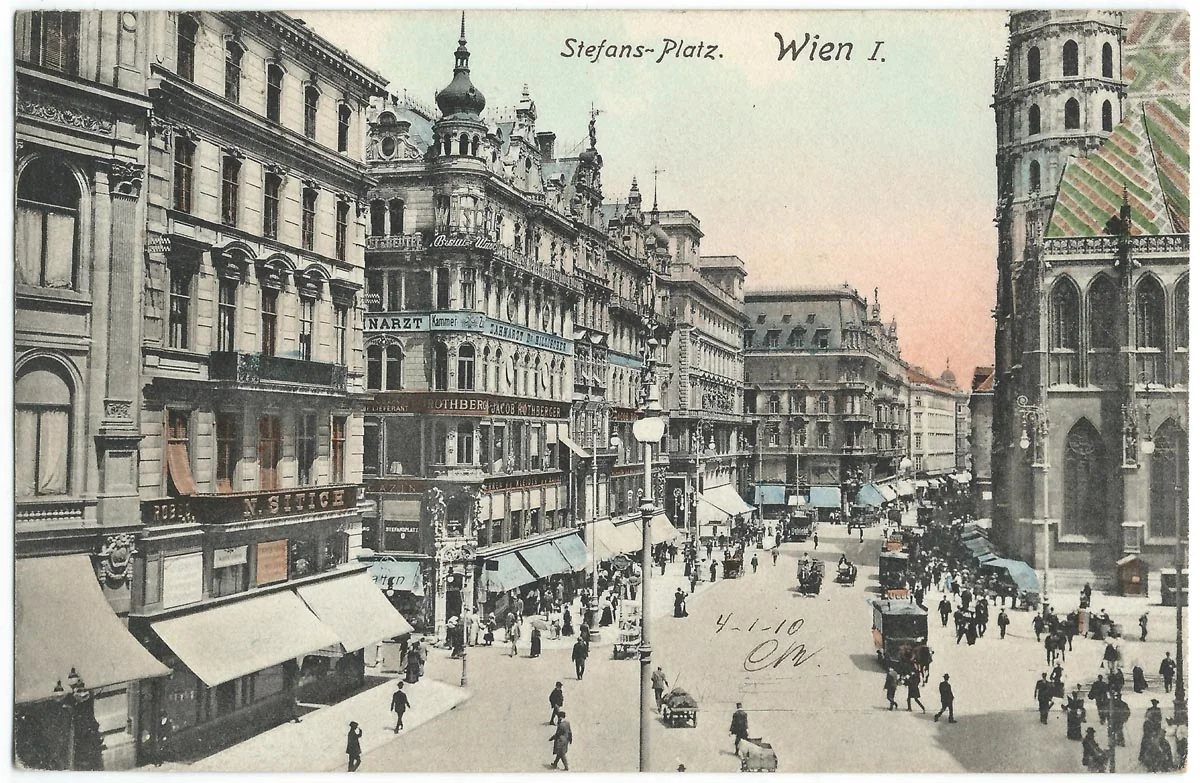
Vienna grew without pause during the early Gründerzeit (the founding boom years). The population of the 'imperial and royal capital and residence city' increased sevenfold over the course of the nineteenth century. Many came from the Crown lands to the metropolis on the Danube, known for the hospitality of its inhabitants. In 1857 Emperor Franz Joseph I ordered the much-debated demolition of the city walls; the Ringstrasse, opened on 1 May 1865, stands as its symbol. A liberal outlook became the dominant political current. After the 'Great Crash' of 1873, the pursuit of security and faith in the state took the place of liberalism. The flourishing of the individual during the liberal era had earlier produced that charged atmosphere which, towards the end of the nineteenth century, would so richly nourish the visual arts, literature, music and the sciences in Vienna. The Austrian School of Economics, founded by Carl Menger in the 1870s, was not spared these developments either. After almost all of its representatives emigrated in the late 1930s, it effectively ceased to exist in Vienna. Yet even before that, largely owing to its growing closeness to the state, it had already lost much of its scholarly significance.
Where paths crossed in Wien: teachers and students, Privatseminar members, colleagues, antipodes. Filter by relationship type and phase, with counts.
He engaged critically with Carl Menger's theory of uses, according to which the return on capital represents a payment for the use granted when capital is ceded, and rejected it in his theory of capital interest; at the same time he built on Menger's subjectivist theory of value.
Wieser and Böhm-Bawerk were friends from youth and fellow students at the University of Vienna, and at the same time brothers-in-law; in 1880 Böhm-Bawerk married Wieser's sister Paula. The relationship was thus, in more than one respect, a lifelong companion.
Studied under Eugen von Böhm-Bawerk and took part in his seminar at the University of Vienna; together with Menger one of the formative teachers for Mises' turn to the Austrian School.
Schumpeter attended Böhm-Bawerk's famous private seminar at the University of Vienna together with the young Mises.
Turned to economics during his law studies at the University of Vienna under the influence of Menger's student Friedrich von Wieser.
Only reading Menger's “Grundsätze” offered Wieser the perspective he had been seeking, which in retrospect he experienced as a liberation from the “distress of thinking”.
After Wieser's appointment to the University of Vienna in 1903, Mises was one of his students in the lecture series on political economy and is regarded as a student of Wieser.
Schumpeter attended Böhm-Bawerk's famous private seminar at the University of Vienna together with the young Mises.
Studied and took his doctorate in 1914 at the University of Vienna under Eugen von Böhm-Bawerk; dissertation on the monetary and credit economy with a mathematical approach.
Was admitted as a very young student into Eugen von Böhm-Bawerk's private seminar at the University of Vienna, one of the youngest of Böhm-Bawerk's students.
From 1909 to 1914 Wieser, as Böhm-Bawerk's Viennese counterpart, likewise taught at the University of Vienna; Strigl integrated Wieser's theory of value and distribution into his own work.
Strigl was admitted as a very young student into Böhm-Bawerk's Viennese private seminar; fellow participants included, among others, Otto Bauer, Nikolai Bucharin, Ludwig von Mises, Otto Neurath and Joseph Schumpeter.
During his studies he read Carl Menger and Eugen von Böhm-Bawerk, made his first contacts with the Austrian School and also came to know members of the Vienna Circle.
During his studies he read Carl Menger and Eugen von Böhm-Bawerk, made his first contacts with the Austrian School and also came to know members of the Vienna Circle.
Haberler studied at the University of Vienna, among others under Friedrich von Wieser and Ludwig von Mises (doctorate in political science, 1925).
Studied at the University of Vienna under Ludwig von Mises, among others; later a regular participant in the Mises-Privatseminar.
From 1920 studied economics at the University of Vienna, among others under Friedrich von Wieser.
Participant in the private seminar and member of the inner Mises circle in Vienna.
Belonged to the inner circle of the Austrian School and took part in the Mises-Privatseminar; from 1933, however, he distanced himself from Mises, when the latter openly espoused his apriorism. Morgenstern's turn towards mathematics deepened the rift.
Fellow participant in the Mises-Privatseminar in Vienna.
Participant in the private seminar of Ludwig von Mises in Vienna; a permanent member of the Nationalökonomische Gesellschaft until her expulsion in 1938.
Schlesinger took part in Ludwig von Mises' Privatseminar in Vienna.
Permanent participant in Ludwig von Mises' Privatseminar in Vienna during the 1920s and early 1930s.
Participant in Ludwig von Mises' Privatseminar at the Vienna Handelskammer, together with Hayek, Haberler, Morgenstern and others.
Fellow participant in the Mises-Privatseminar in Vienna.
Fellow participant in the Mises-Privatseminar in Vienna.
Hayek received his doctorate in law (Dr. iur.) at the University of Vienna in 1921 under Friedrich von Wieser, whose most faithful disciple he became (“his most faithful disciple”).
Received her doctorate in 1921 as one of the first women in the political sciences at the University of Vienna; the dissertation "Die Anweisungstheorie des Geldes" (The Assignment Theory of Money) was supervised by Ludwig von Mises.
Reading Ludwig von Mises' Socialism (Die Gemeinwirtschaft, 1922), which contained the proof of the impossibility of economic calculation in a socialist commonwealth, turned him away from his socialist sympathies. Quite soon Mises recognised Hayek's talent and invited him to his private seminar.
Long-standing participant in the Mises-Privatseminar; Strigl is regarded as a Mises student and one of the few members of the Austrian School to have completed a Habilitation.
Long-standing participant in the Mises Privatseminar in Vienna; one of the few habilitated members of the Austrian School in the circle.
Machlup was a regular participant in Mises' private seminar and an intellectual student from the Viennese circle.
In 1923 Mayer was appointed to the Vienna chair as successor to Friedrich von Wieser; after Wieser's death Mayer moved into the house Wieser had left behind in Vienna's 19th district.
Mayer had a tense relationship with Mises.
Already during his studies, became an assistant to Hans Mayer at the Chair of Political Economy of the University of Vienna and received his doctorate under him in 1925.
Together with Mises he founded the Austrian Institute for Business Cycle Research, where from 1927 Hayek did “hard pioneering work on the economic base”.
Haberler regularly took part in the Mises-Privatseminar in Vienna.
Haberler held his courses at the University of Vienna partly jointly with Friedrich August von Hayek.
Was a research staff member at the Austrian Institute for Business Cycle Research under Hayek and took over its directorship two years later.
Both participants in the Mises-Privatseminar; at the same time predecessor and successor at the head of the Konjunkturforschungsinstitut (Hayek until 1931, Morgenstern 1931-38).
Both participants in the Mises-Privatseminar; Machlup and Morgenstern were among its regular members.
Haberler held his courses at the University of Vienna partly jointly with Oskar Morgenstern.
Participant in the Mises-Privatseminar in Vienna as a member of the inner circle of the Austrian School.
Hans Mayer, too, was unwilling to support a student of Mises, thereby withdrawing from Machlup the support necessary for the Habilitation.
In 1947 at Vevey on Lake Geneva he gathered 39 non-collectivist thinkers from around the world, among them Ludwig von Mises, to found the Mont Pèlerin Society.
He regularly took part in the Mises-Privatseminar, alongside his business activity in his parents' cardboard factory.
Eventually completed his Habilitation at the University of Vienna under Hans Mayer.
Under the influence of Carl Menger and Eugen von Böhm-Bawerk, he turned to the ideas of the Austrian School already in his youth.
Received his doctorate in law at the University of Vienna in 1907; identified in the bio_de and in the Klausinger study as a student of Friedrich von Wieser. Wieser developed a father-son relationship with Mayer and supported him by every means.
Strigl shaped Hayek as a teacher: “Strigl shaped the minds of Hayek, Haberler, Machlup, Morgenstern, and other future great Viennese economists more than anyone else.”
Strigl shaped Machlup as a teacher of the fourth Viennese generation.
Strigl shaped Haberler as a teacher of the fourth Viennese generation.
As a teacher, Strigl shaped the thinkers of the fourth Viennese generation (Hayek, Haberler, Machlup, Morgenstern) like almost no one else; his systematic manner of exposition and his capital theory had a direct effect on the inner Viennese circle.
A methodological and political antipode of Mises in the Viennese setting of the third generation: immediately after the First World War Schumpeter, as a member of the German Socialisation Commission and in 1919 as socialist finance minister, advocated the nationalisation of coal mining, while Mises remained a consistent defender of the market order.